
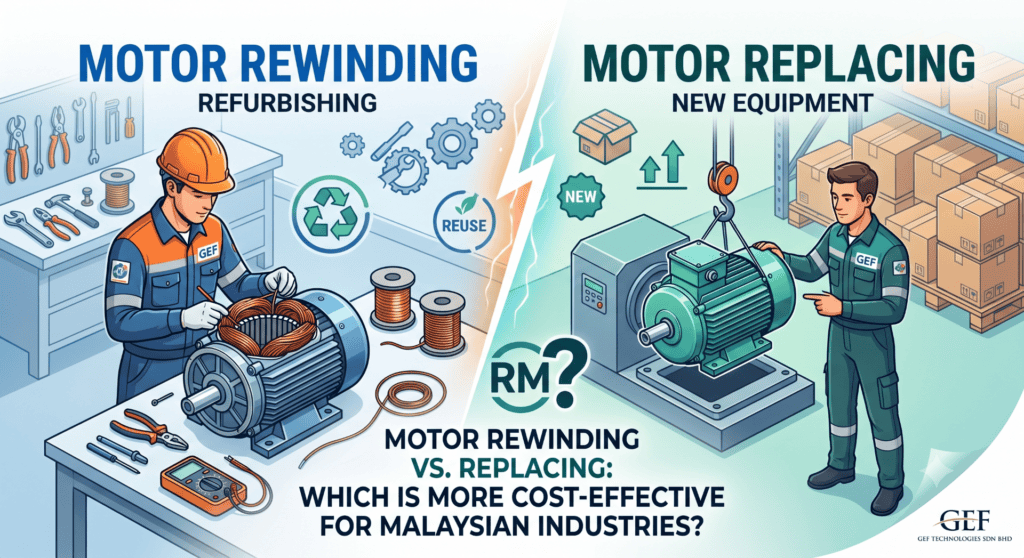
Summary: When an industrial motor develops a fault, the default instinct is often to replace it, but in most cases, professional repair is the smarter, more cost-effective choice. Scrapping a motor is only justified under two specific technical conditions: severe core damage, and shaft fracture or deformation. Outside of these clear-cut cases, a well-executed repair by an experienced motor specialists will restore full performance, extend service life, and significantly reduce costs compared to outright replacement.
Introduction
In factory production and industrial manufacturing, electric motors are indispensable, powering equipment across virtually every process line. Yet motors are not permanent devices. As service years accumulate and operating conditions change, faults and wear are inevitable.
When a motor fails, many plant managers and maintenance engineers instinctively reach for a replacement. In reality, the vast majority of motor faults are repairable, and repairing is almost always the more economical option when carried out by a qualified specialist. Premature replacement wastes capital, generates unnecessary equipment disposal costs, and often introduces longer downtime during procurement and installation.
This article outlines the specific conditions that genuinely warrant scrapping a motor, and explains why, in most other cases, professional repair is the right first call.
Two Conditions that Genuinely Warrant Scrapping
Only a small proportion of motor faults require scrapping. These are the two situations where the cost and feasibility of repair make replacement the more practical choice:
1. Severe Damage to the Stator or Rotor Core
The core is the electromagnetic heart of a motor, and significant structural damage here is difficult to reverse.
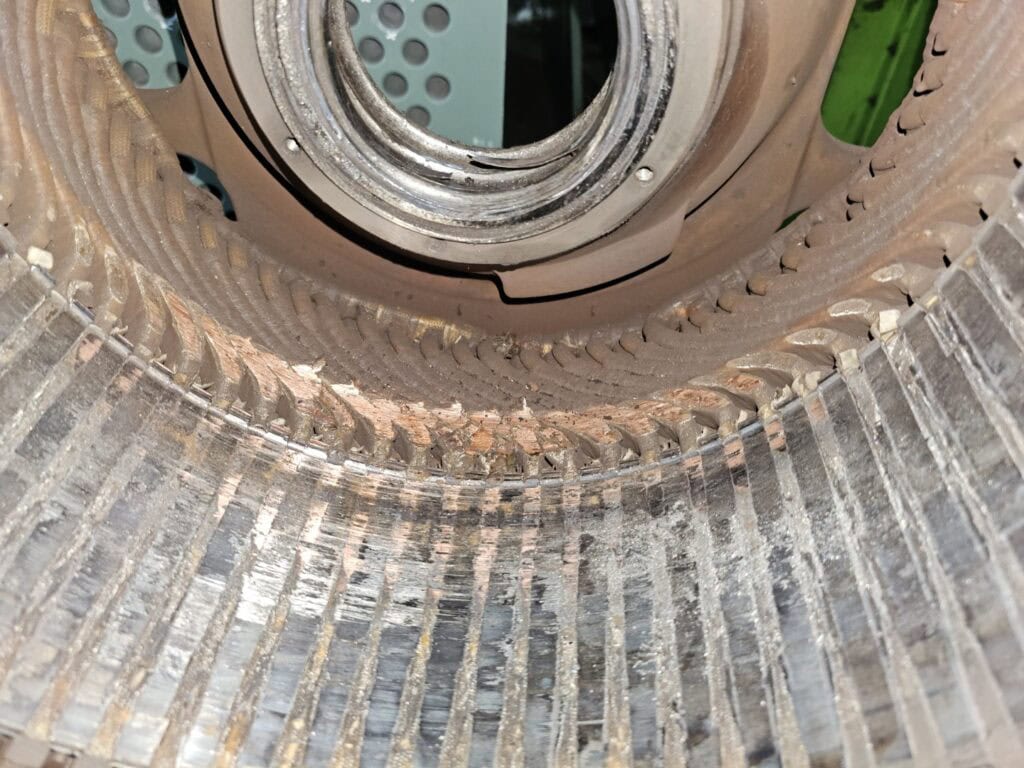
Scrapping is appropriate when:
- Large-scale burning, deformation, or cracking is present, causing a significant and unrecoverable drop in magnetic flux
- Core bore wear has exceeded the limit fit clearance, causing uneven airgap between the stator bore and rotor outer diameter.
- Prolonged overheating has caused the core insulation to fully carbonize and fail, producing severe iron losses that cannot be corrected.
Note that minor core damage, localized scoring, or partial insulation degradation may still be repairable by an experienced workshop. Always seek a professional assessment before concluding the core is beyond recovery.
2. Severe Shaft Bending, Wear, or Fracture
The shaft transmits all mechanical power from the motor, and most shaft faults are in fact repairable. Scrapping is only warranted when:
- Bending exceeds the allowable range and precision requirements still cannot be met after professional straightening, causing unacceptable vibration during operation.
- Journal wear has caused out-of-roundness to exceed standards, and only when thermal spraying, and other repair processes have been exhausted.
- Cracks or fractures are confirmed present, or severe keyway damage makes reliable power transmission impossible to guarantee even after repair.
- Multiple cracked or broken rotor bars are confirmed, particularly when the damage is widespread across the rotor cage.
Shaft wear and minor deformation, by contrast, are among the most commonly and successfully repaired motor faults. A skilled repair workshop can restore shaft dimensions to tolerance and assess rotor bar integrity through electrical testing and thermal imaging in most cases.
When Repair is Clearly the Right Choice
For the large majority of motor faults that do not need the above scrapping criteria, professional repair is the recommended path.
Consider the following:
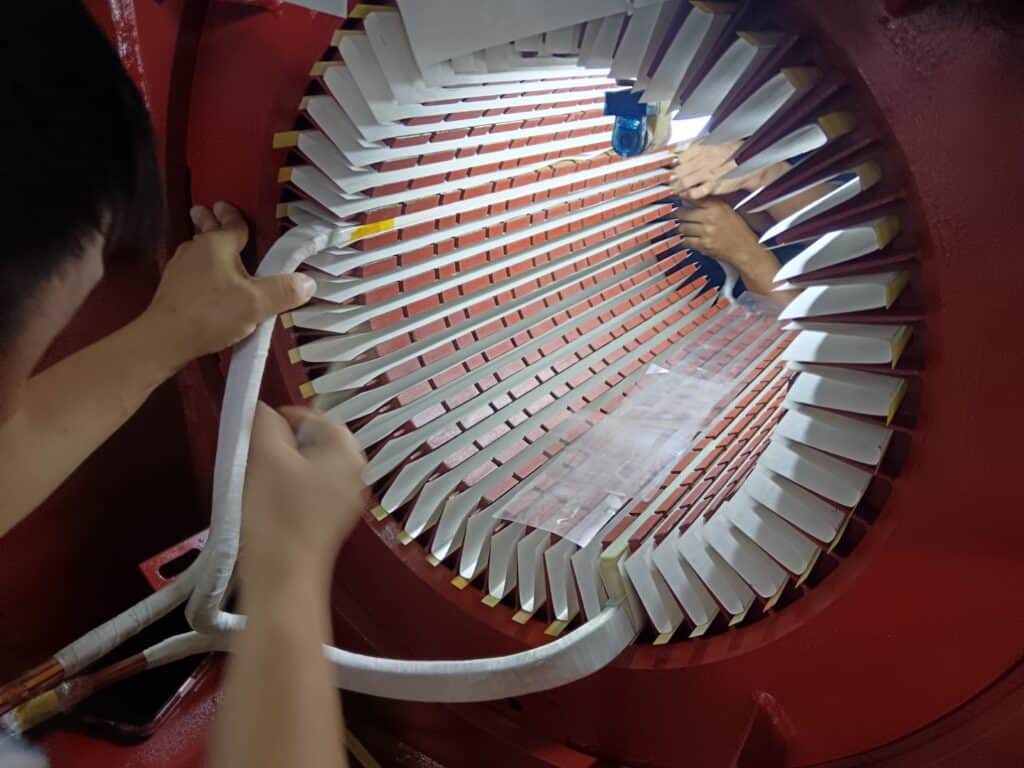
- Repair offers significant cost advantages. A professional motor rewind or overhaul typically costs 20 to 40% of the price of a new equivalent motor. Even for more extensive repairs, costs rarely exceed 50%, representing substantial savings, particularly for large of high-voltage motors where replacement costs are significant.
- Repair turnaround is often faster than procurement. For specialized, high-voltage, or custom motors, sourcing a direct replacement can take weeks or months. A well-equipped repair workshop can frequently complete a full overhaul or rewind within days, minimizing production downtime.
- A repaired motor performs like new. When rewinding and overhaul work is carried out to proper engineering standards (with quality insulation materials, correct winding details, and post-repair testing), the restored motor is electrically and mechanically equivalent to a new unit and should deliver a comparable remaining service life.
- Repair preserves a known, proven asset. An in-service motor has a known performance history, known mechanical fit, and established integration with connected equipment. Replacement introduces risks of dimensional mismatch, rebalancing requirements, and commissioning delays that repair avoids entirely.
Key Takeaways: Repair First, Replace Only when Necessary
- The two scrapping conditions above represent a genuinely high bar, most motor faults do not meet them.
- When in doubt, always obtain a professional assessment from a qualified motor repair specialist before committing to replacement.
- Proactive maintenance (regular inspection, proper lubrication, stable power supply, and correct usage) remains the most effective way to extend motor service life and keep repair scopes manageable
At GEF Technologies, we have been repairing and rewinding industrial motors since 1960. If your motor has developed a fault, contact our team for an honest assessment. In most cases, we can get it back to full performance for a fraction of the cost of replacement. Contact us today for more information.